
Bench Warrants in Tennessee
A bench warrant grows out of a case already on a judge's docket. It issues when someone ignores an order to appear or comply. Tennessee dockets use more than one label for it. The same process may show up as a bench warrant, an FTA capias, or a court-specific term. The name matters less than the case behind it. The issuing court decides what the order requires and how it can be addressed. A missed court date is the most common trigger. Still, the outcome turns on the proceeding and the judge's response. Failure to appear can be a separate criminal offense in Tennessee in defined circumstances, though it is not an automatic new charge in every case. An unpaid fine or missed installment likewise does not by itself prove a warrant issued. Confirm the actual process with the Tennessee court. Treat the ticket notice, the license-compliance issue, and the arrest order as three different things.
Where Tennessee Bench Warrants Can Begin
No single Tennessee court handles every bench warrant. General Sessions courts take misdemeanor, traffic, and local-ordinance matters. So do municipal and city courts. Circuit Court, or a separately established Criminal Court, may handle process in a felony case. Juvenile and family courts can issue process within their jurisdiction, with extra privacy rules for juvenile files. Start with the court named on the citation, bond paper, or earlier order. Levels matter because cases move. A preliminary felony appearance may begin in General Sessions and later proceed in Circuit or Criminal Court, where a different clerk keeps the file. City ordinance matters may stay with a municipal clerk instead of the county General Sessions record. Tennessee's court directory helps locate courts by county and court type; it does not return a warrant-status result. Use the Tennessee court location directory. One caution: a countywide sheriff list may miss process held by a separate city or juvenile court.
How a Tennessee Bench Warrant Is Issued
After a missed setting, the court checks what happened. It may order more process, set a new appearance, or take another step the law allows. A Tennessee bench warrant is not automatic after every missed date. The judge weighs the reason for the absence. So do the kind of case, prior release conditions, and the court's own order. Bond cases can also see forfeiture proceedings after a nonappearance, but those attach to the bond rather than deciding the charge. If the judge issues a bench warrant or capias, the order directs law enforcement to bring the person before the court. That order comes from the issuing court. In Tennessee, that court alone controls any recall or modification. A sheriff or police department may hold the operational record and carry out service. A public docket can show a hearing or outcome yet say nothing about live warrant status. Ask the clerk pointed questions. Confirm whether the Tennessee process is active, which court controls it, and what route the court accepts for the next appearance.
Tennessee Bench Warrants and the Rule 9 Capias
The word capias does not always mean a missed court date. Sometimes it has nothing to do with one. Tennessee Rule of Criminal Procedure 9 covers a different step. That step comes after a grand jury returns an indictment or presentment. The clerk then issues a capias for defendants within the rule's stated conditions. A summons goes out instead when the district attorney general requests one or the court directs it. The clerk signs the capias. It describes the charged offense and orders arrest and presentation to the court where the case is pending. Read the Tennessee criminal procedure rules. This post-indictment process belongs to a felony prosecution moving toward its trial forum, generally Circuit Court or Criminal Court. It is not the same as a missed city-ticket date. Capias is no catchall. It should not stand in for every traffic fine or FTA notice in Tennessee. Ask which Tennessee case and rule the record concerns. Ask before assuming why the document issued or what action clears it. The state uses no single label like capias pro fine for unpaid traffic matters.
Bench vs Arrest Warrant
A bench warrant and an arrest warrant both direct an officer to take someone into custody. They arise at different points, though. A bench warrant enforces an existing court obligation. An arrest warrant follows a judicial probable-cause review of a criminal complaint. The court and case paperwork show which process applies. See arrest warrants in Tennessee for the complaint-based process.
| Feature | Bench Warrant | Arrest Warrant |
|---|---|---|
| Typical trigger | Missed appearance or failure to comply with an order in a pending matter | Probable-cause finding on a criminal complaint |
| Case posture | Existing case or court obligation | Criminal process based on alleged conduct |
| Issuing step | Court orders process after reviewing the case | Magistrate or authorized judicial officer reviews complaint and facts |
| Next step | Ask issuing court about appearance, recall, or bond | Confirm the issuing court and agency, then ask about surrender and bond |
Neither type closes the case. Bond or a court appearance covers release and scheduling on the court's terms, and the underlying matter stays open.
Tennessee Bench Warrants Under Public Chapter 352
Public Chapter 352 took effect July 1, 2025. It reshapes how Tennessee handles a defined group of failure-to-appear warrants. The law covers felony cases plus certain serious violent or sexual misdemeanor categories. Ordinary missed dates, traffic matters, and local ordinance cases fall outside it. For a qualifying warrant, the clock runs fast. A judge must sign and the clerk must transmit within short statutory deadlines. The responsible entering agency then submits the record to available state or federal systems on the law's schedule. The full Public Chapter 352 text spells out those duties. The change governs agency handling of eligible records, nothing more. It creates no public Tennessee bench-warrant name search. Not every FTA warrant qualifies. A county list need not display any of this either. TBI criminal-information services and federal systems serve authorized justice users, not the public. For a particular Tennessee case, the issuing clerk and the serving agency remain the practical contacts, whatever the reporting schedule requires.
Note: A statutory deadline for an eligible entry does not certify that a warrant has been recalled after a later court action.
How to Resolve a Tennessee Bench Warrant
Don't assume a payment ends it. Or that an online case result has. Start with the issuing court. Tennessee has no single statewide walk-in, recall, or "clear warrant" counter. A motion to recall or quash asks that court to withdraw or set aside the process, and local rules plus the case's facts shape whether it schedules a hearing, requires an appearance, or sets conditions.
- Use the citation, notice, case number, or prior court paperwork to identify the exact court and county or city.
- Ask the clerk whether the warrant remains active, what hearing or motion process the court accepts, and whether bond or a payment plan is part of the current order.
- Consult an attorney about a recall or quash request and the safest way to appear or surrender under that court’s procedure.
- If the court orders an appearance or surrender, confirm the location, timing, identification, booking steps, and accepted bond methods before going.
Once the court acts, keep your paperwork. Save the order, receipt, or docket entry, and ask whether the sheriff or police agency has received the update. A Tennessee traffic case may add a separate license-compliance step, and clearing that status alone does not resolve a criminal warrant.
Caution: Do not assume a planned appearance, ticket payment, or search result has recalled a warrant; verify the court’s order and local surrender process first.
Local Tennessee Bench-Warrant Checks Vary
Access varies across Tennessee. Hamilton County posts an online open-warrant search built on county-court information, and it warns that updates can lag. That list also excludes older warrants below a cutoff the Sheriff's Office states. Knox and Davidson Counties want confirmation in person, with identification. Davidson's police page says plainly that staff do not give warrant information by phone. Rutherford County's posted policy treats pre-service arrest-warrant information as not public. These are local practices, not one statewide access rule. Use Hamilton County open warrants, the Knox County Sheriff FAQ, Metro Nashville warrant information, or Rutherford County Sheriff for each office's own terms. Chattanooga draws a different boundary. Its official court page explains how to search a city case by name, citation, or docket number, per the Chattanooga court-record instructions. The City does not say the case portal confirms an active warrant. A docket can identify the matter and the court. Treat it as a pointer, not a live warrant flag. Contact the city court for its own process, since an ordinance or traffic case may never appear in a county sheriff's search. Hamilton County's Sheriff's Office guidance on confirmation, surrender, and bond lays out the county's route once a Tennessee warrant search turns something up.
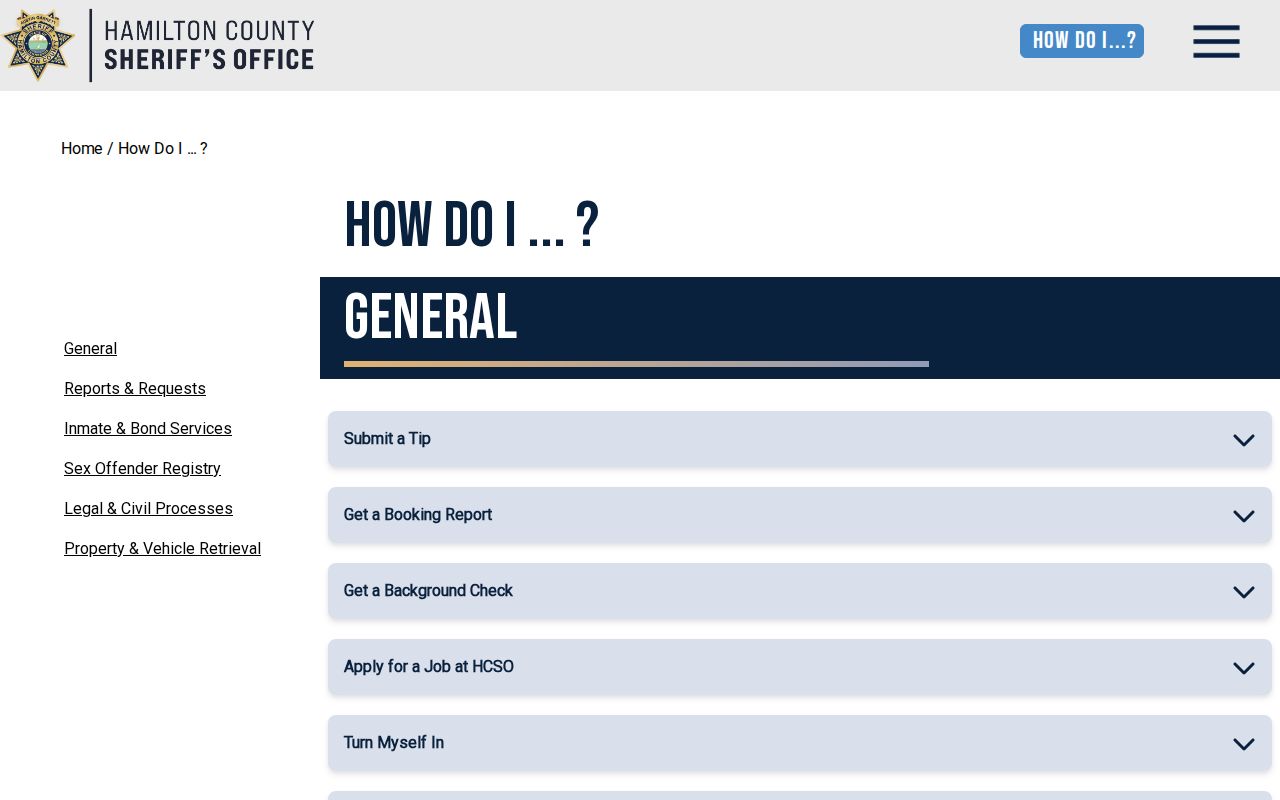
Hamilton's instructions are one county's example. Every other Tennessee case follows the issuing court and the agency serving its process.
Confirm a Tennessee Bench-Warrant Recall
A recall or quash is a court action. "Recalled" means the Tennessee court withdrew the warrant. "Quashed" means it set the process aside. A served warrant, a closed citation, and a recalled warrant are three different outcomes. Ask the clerk what the docket records say. Get written confirmation when offered. A case can stay on a public Tennessee docket even after its warrant status changes. Operational records add another layer. The sheriff, city police, or an authorized state or federal system may hold them, and they don't always update with the court file. Ask the court whether it sent the disposition to the executing agency. Then ask that agency how it confirms its own update. A separate bond, a license-compliance notice, or another jurisdiction's detainer each needs confirmation from the office that controls it. That follow-through pays off after a hearing, payment plan, surrender, or attorney-filed motion.
Note: Keep the court's written disposition until the agency confirms its separate operational record has changed.
Which Court Issued It
Why does the issuing court matter? It controls the case, the calendar, and any decision to recall or change the warrant. General Sessions courts across Tennessee commonly handle local misdemeanor, traffic, and preliminary felony matters. Circuit or Criminal Court may hold the later felony file. Municipal courts handle local matters within their authority. Juvenile and family proceedings run through their own channels, sometimes with special confidentiality protections. Find the court name on your citation, summons, bond paper, or an earlier order. A city citation may still sit in city court. Don't assume the county clerk has it. The Tennessee county directory routes you to local courts and sheriff information. For a city matter, follow the municipal-court contact listed for that county. Remember that the agency serving process may differ from the clerk keeping the file.